- Úvod
- CAVAQUINHO, BRAGUINHA atd.
- APC CUAPR100 – Portorické Cuatro
APC CUAPR100 – Portorické Cuatro
- Novinka

- Kompletní specifikace
- Komentáře 0
- APC CUAPR100 – Portorické Cuatroskladem 1 ks10 250 Kč/ ks
APC CUAPR100 – Portorické Cuatro
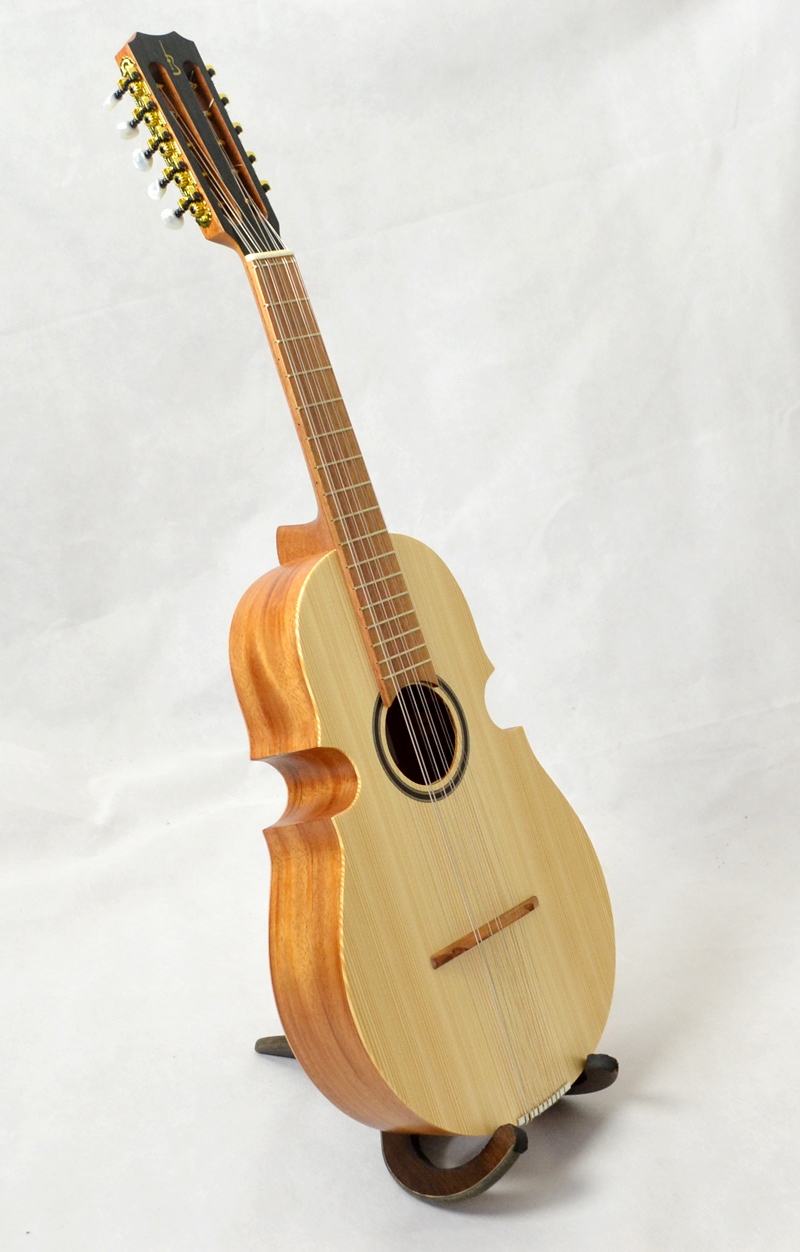
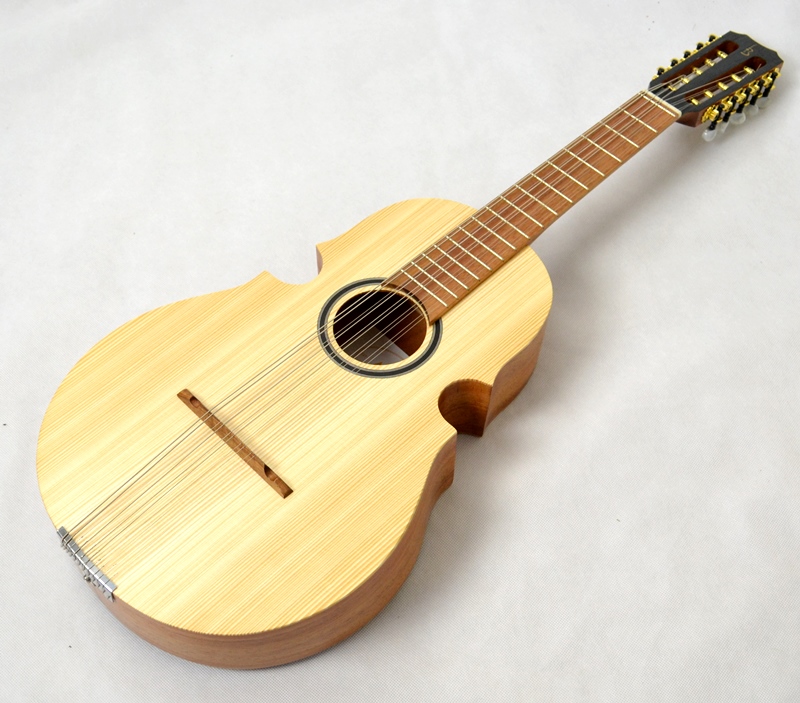
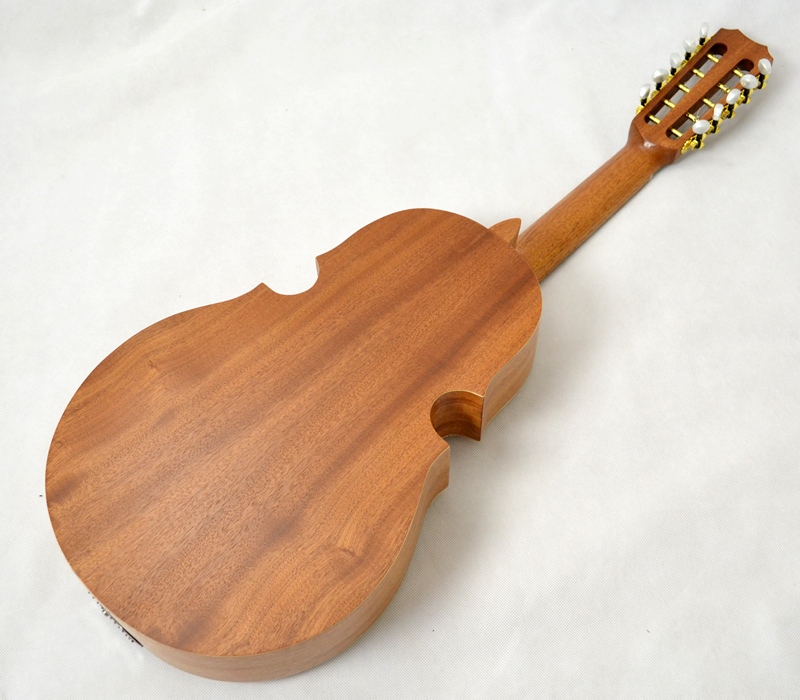
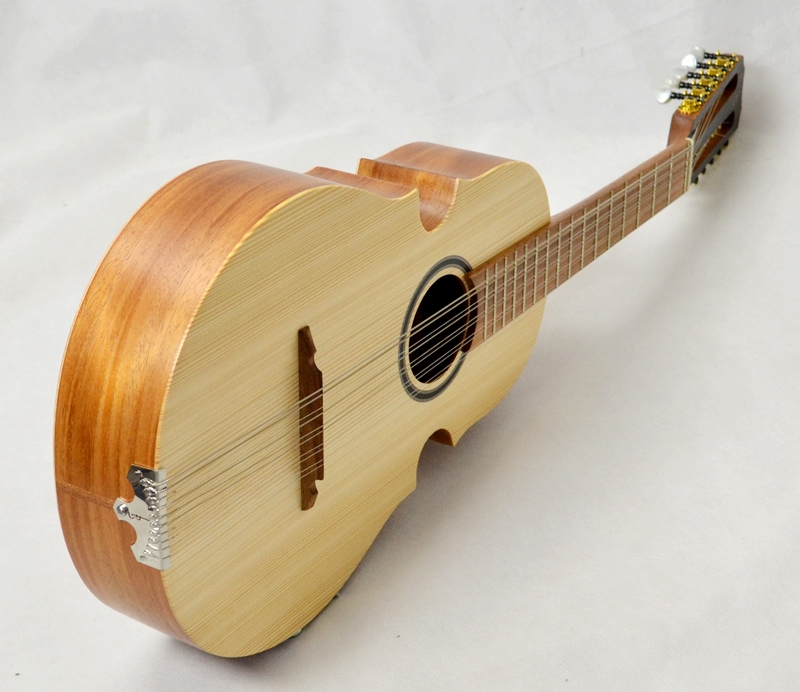
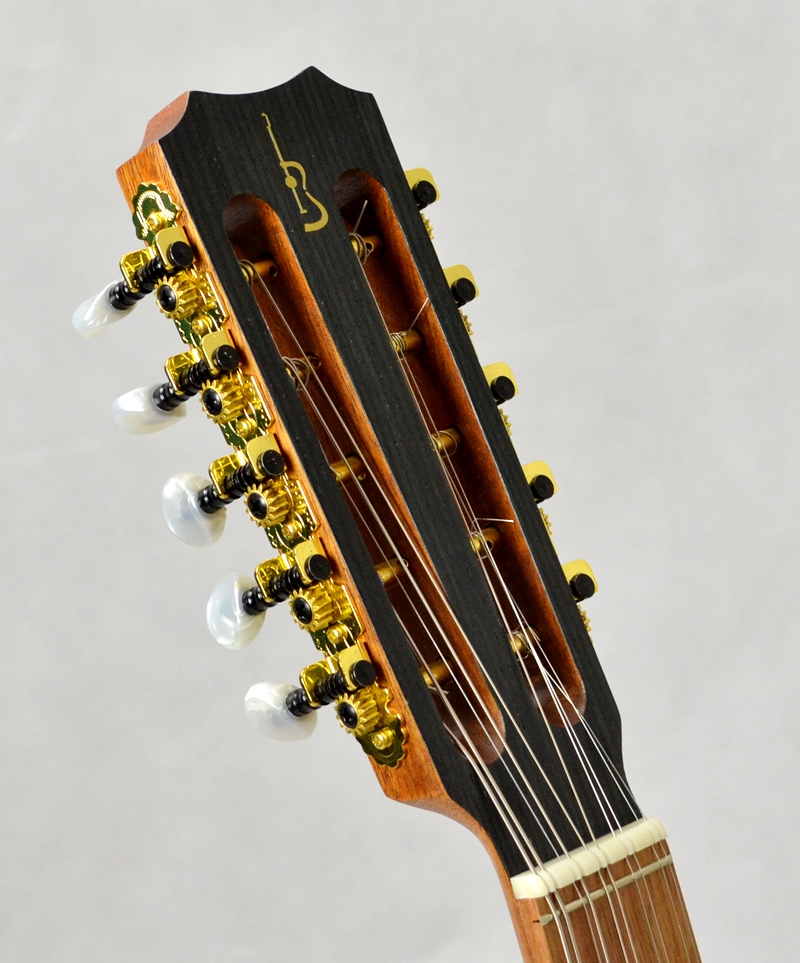
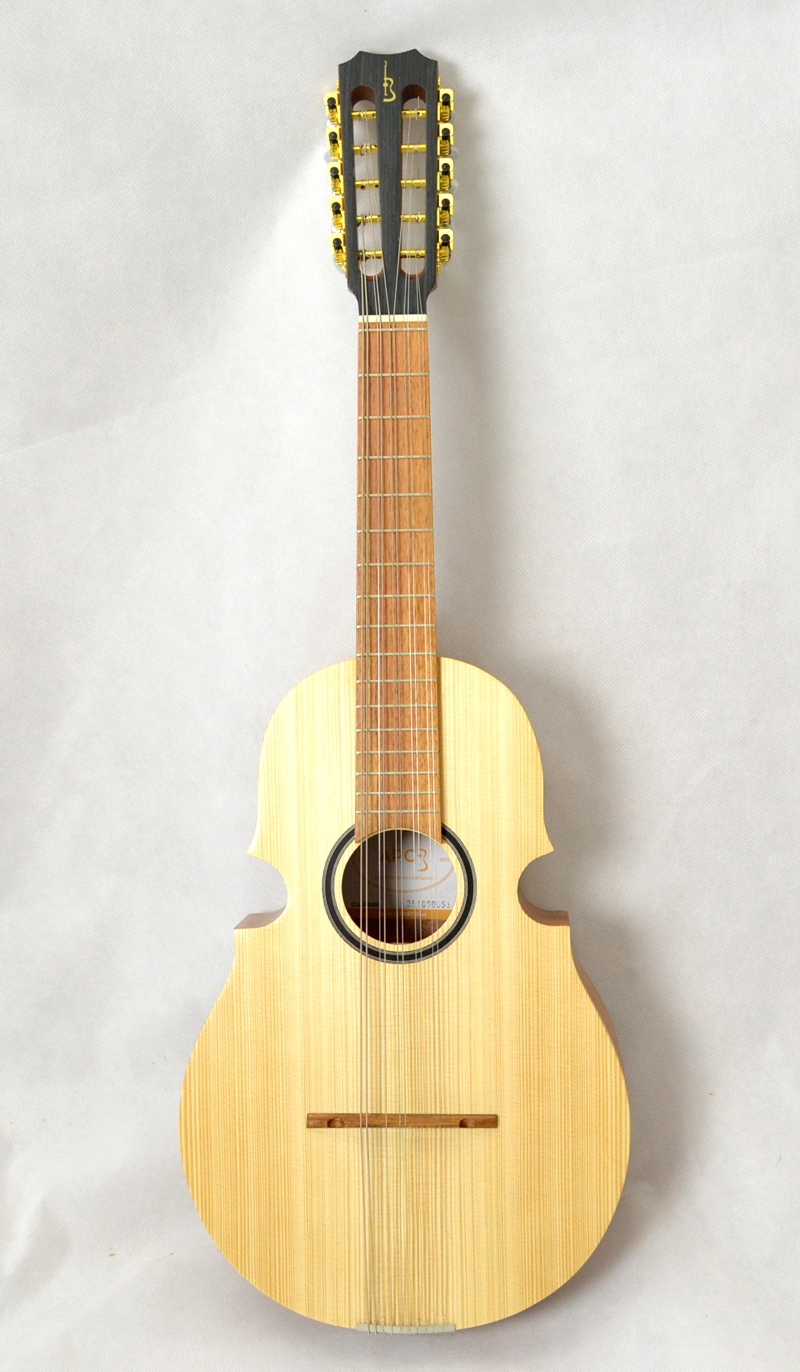
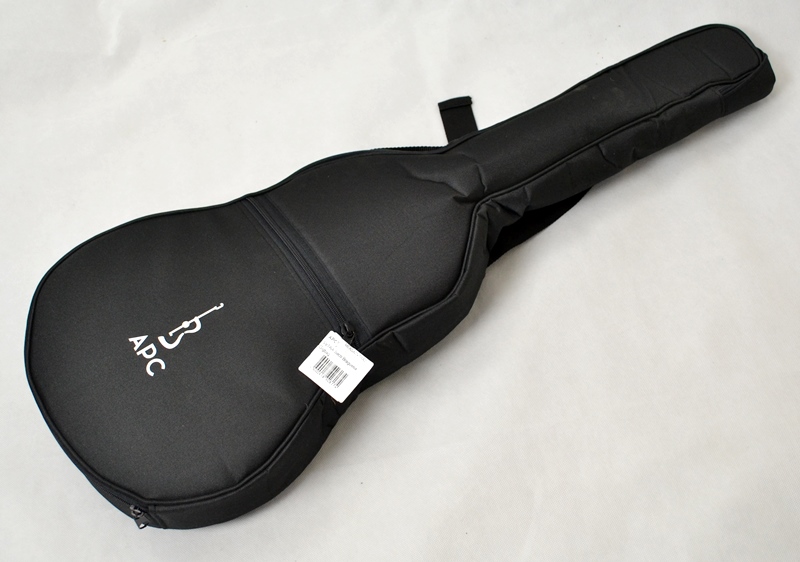
Smrkový masiv a sapeilli s futálem.
Slovo cuatro původně označovalo počet strun, které měl tento nástroj – tedy čtyři. V roce 1887 však vzniklo cuatro s deseti strunami ve pěti dvojicích (kurzech), jak dokládá fotografie z roku 1916. Do roku 1922 se hudba pro cuatro začala objevovat i v portorických rozhlasových stanicích, jako například „Los Jíbaros de la Radio“ (1932) a „Industrias Nativas“ (1934).
Po mnoha letech neustálého růstu popularity portorická vláda v roce 2002 schválila zákon, podle něhož se každý rok 17. listopadu slaví „Día del Cuatro y del Cuatrista Puertorriqueño“ – Den čtyřstrunného (cuatro) a portorického hráče na cuatro. O rok později bylo portorické cuatro prohlášeno za jeden ze tří národních nástrojů Portorika a důležitý symbol portorické kultury.
Portorické cuatro má tvar spíše podobný viole než kytaře a je nejznámějším z trojice nástrojů portorické orquesta jíbara (tedy cuatro, tiple a bordonua).
Má deset strun v pěti párech, laděných po kvartách od nejnižších po nejvyšší tóny, přičemž struny B a E jsou laděny v oktávě a struny A, D a G unisono:
B3 B2 — E4 E3 — A3 A3 — D4 D4 — G4 G4.
Existuje několik velikostí tohoto nástroje, včetně cuatro soprano, cuatro alto, cuatro tradicional (standardní nástroj, někdy nazývaný také cuatro tenor) a cuatro bajo (baskytara). Všechny mají 10 strun a jsou laděny po kvartách.
Dále existuje cuatro lírico (lyrické cuatro), které je přibližně velikosti tenoru, ale má hluboké, fazolkovitě tvarované tělo; cuatro sonero, které má 15 strun uspořádaných do 5 trojitých kurzů; a seis, což je cuatro tradicional s přidaným dvoustrunným kurzem (obvykle spodním), takže celkem má 12 strun v šesti kurzech.
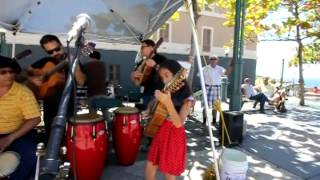
Portorické cuatro se hraje trsátkem. Hráč (cuatrista) udeří trsátkem směrem dolů na strunu, aby vytvořil požadovaný tón.
Nejpopulárnější technikou hry je tremolo, při níž hráč opakovaně rychle zasahuje stejný akord, aby prodloužil jeho znění. Tremolo se používá k vyjádření déle trvajících not – například celých, půlových nebo svázaných osminových a šestnáctinových not.
Z hudebního hlediska se portorické cuatro používá během celého roku, ale nejčastěji zní o Vánocích (viz Krátká historie cuatra). Jeho charakteristický zvuk se uplatňuje především v žánrech Plena, Trova, Aguinaldo a Seis, které vznikly v Portoriku.
Občas se integruje také do salsy a dalších hudebních žánrů, například do valčíku.
| APC CUAPR100 | |||
| Cuatro | Matte | ||
| Rozměry | 860 x 305 x 80 mm | Nultý pražec | 45 mm |
| Zvukový otvor | 75mm | Menzura | 520 mm |
| Horní deska | Smrkový masiv | Luby a záda | Sapelli překližka |
| Krk | Mahagon | Hmatník | Palisandr |
| Kobylka & ořech | Kost | Struny | 10 Ocelové |
| Značky na hmatníku | 3 5, 7, | Pražce | 16 |
| Ladící mechanika | Zlaté, bílé a černé mechanika | Obal | Černý futrál |
| Zdobení | |||
APC CUAPR100 Peurto Rican Cuatro
The word cuatro was used to represent the number of strings that the instrument initially had, but a 10 stringed, 5 course cuatro was made in 1887, as shown in a photograph taken in 1916. By 1922, cuatro music was being played on Puerto Rican radio stations, like "Los Jíbaros de la Radio" (1932) and "Industrias Nativas" (1934). After many years of constant rise in popularity, the Puerto Rican government approved a law in 2002 declaring that every year on November 17, the Commonwealth would celebrate "El día del Cuatro y del Cuatrista Puertorriqueño" (Day of the Cuatro and Puerto Rican Cuatro Player). Only a year later, the Puerto Rican cuatro was one of three instruments that were declared the National Instruments of the Commonwealth of Puerto Rico and important symbols of Puerto Rican culture.
The Puerto Rican cuatro is shaped more like a viola than a guitar, and is the most familiarof the three instruments of the Puerto Rican orquesta jíbara (i.e., the cuatro, the tiple and the bordonua). The Puerto Rican cuatro has ten strings in five courses, tuned in fourths from low to high, with B and E in octaves and A, D, and G in unisons: B3 B2 — E4 E3 — A3 A3 — D4 D4 — G4 G4 .
Several sizes of the instrument exist, including a cuatro soprano, cuatro alto, cuatro tradicional (the standard instrument, also called cuatro tenor), and cuatro bajo (bass): All have 10 strings and are tuned in fourths. There is also a cuatro lírico (lyrical cuatro), which is about the size of the tenor, but has a deep jellybean-shaped body; a cuatro sonero, which has 15 strings in 5 courses of 3 strings each; and a seis, which is a cuatro tradicional with an added two-string course (usually a lower course), giving it a total of 12 strings in 6 courses.
The Puerto Rican Cuatro is played with a pick, and the cuatrista will strike downwards on the string with the pick in order to generate the sound that the person wants to produce. The most popular technique used to play the cuatro is called tremolo, which occurs when a cuatro player continually strikes the same chord multiple times to generate a sound for a longer period of time. The tremolo is used to play longer lasting notes, like whole notes, half notes, and tied eighth notes and sixteenth notes.
Musically, the Puerto Rican cuatro, although it is used throughout the year, it is mostly heard during Christmas time ("The short history of the cuatro"). The genres of music where the cuatro's presence is really known in Plena, the Trova, the Aguinaldo and the Seis that were created in Puerto Rico. Sometimes, it is integrated in salsa and other genres of music like the waltz.